How PE-Backed Firms Can Maximise Value With Fractional CIO and CTO Leadership
In the fast-paced world of PE-backed technology firms, effective leadership at the C-suite level is often the difference between underperformance and accelerated growth. Yet, I frequently observe organisations stifled by fragmented IT governance or a lack of strategic technology direction. With over 25 years of experience, I have found that engaging fractional CIO and CTO leadership can be a decisive factor in maximising value within PE-backed technology businesses.
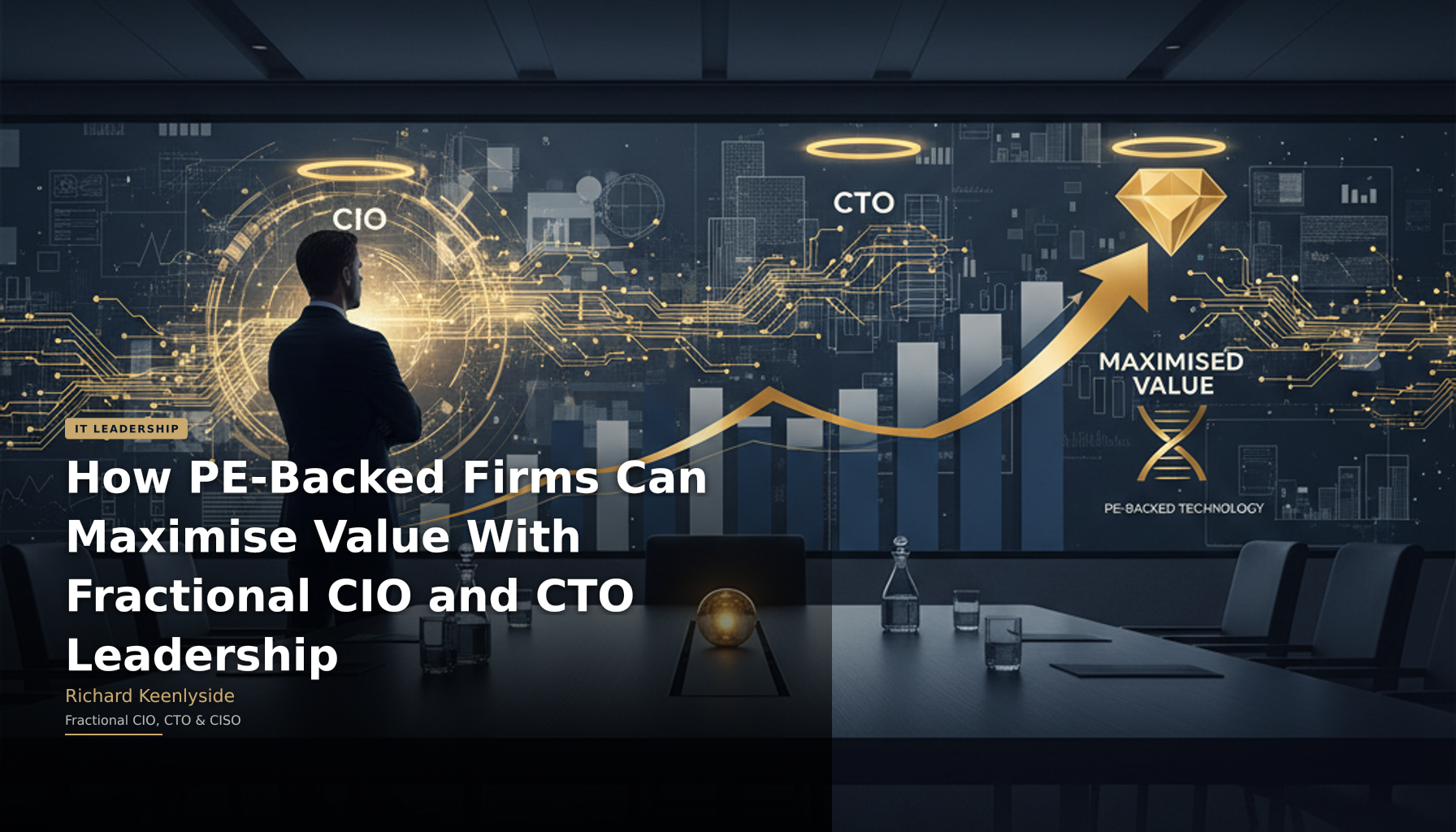
Why Strong Technology Leadership Matters for PE-Backed Firms
Private equity-backed technology firms operate under significant pressure to deliver rapid value creation and optimise returns within condensed timelines. Without clear and connected leadership in technology strategy and execution, these organisations risk costly misalignments between business goals and IT investments. For PE firms, this gap often translates into missed opportunities in scaling, inefficient technology spend, and challenges in due diligence preparation.
CIOs and CTOs are traditionally the architects of technology transformation, but full-time appointments can be prohibitive in terms of cost and risk for many PE-backed businesses. Here lies the growing importance of fractional CIO and CTO roles - senior executives who provide high-impact, strategic leadership on a part-time or project-specific basis. This flexible model ensures access to seasoned technology decision-makers without the overhead, supporting rapid decision-making, risk mitigation, and alignment to portfolio growth objectives.
Fractional CIO and CTO Leadership: Driving Value in PE-Backed Technology Firms
Adopting fractional CIO and CTO leadership offers distinct advantages tailored to the complexities of PE-backed technology businesses. In my experience, this involves several practical contributions:
- Strategic IT Alignment: Fractional CIOs ensure technology investments are directly aligned with the overarching business strategy and PE growth milestones, providing clarity where ambiguity often hinders progress.
- Risk Reduction and Compliance: Fractional CTOs bring focused expertise in managing technical risks, cybersecurity strategies, and compliance requirements, essential in due diligence and ongoing governance.
- Scalable Technology Operating Models: Both roles architect and optimise IT operating models to support rapid scaling, integrating people, processes, and technology for sustainable growth.
- Efficient Resource Management: They oversee technology budgets and vendor relationships to deliver cost-effective solutions without sacrificing innovation or agility.
- Accelerated M&A Integration: In post-acquisition scenarios, fractional CIOs and CTOs drive seamless IT carve-outs and integration, minimising disruption and preserving deal value.
This targeted leadership approach is particularly effective when organisations face transformational initiatives, from cloud adoption to software platform modernization or digital product launches. My engagements often uncover disjointed technology efforts that fractional CIO and CTO leadership swiftly coordinate, creating a unified roadmap that delivers measurable business outcomes.
Deepening Impact With Fractional Technology Leadership: Insights From Real Engagements
One recurring theme I observe in PE-backed firms is the need for rapid technology evolution parallel to business growth without losing control of operational stability. In several recent assignments, I stepped in as a fractional CIO to guide portfolio companies through challenging transitions involving system consolidation, cybersecurity hardening, and cloud migration.
For example, in a mid-sized SaaS scale-up preparing for a significant funding round, the absence of a seasoned CIO had led to patchy system integrations and unclear technology KPIs. By embedding fractional CIO leadership, we established a disciplined technology governance framework and articulated a clear technology roadmap aligned with the investor’s financial and operational expectations. This clarity materially boosted investor confidence and enabled smoother fundraising and acquisition discussions.
Similarly, a PE-backed manufacturing software provider engaged fractional CTO leadership to accelerate modernization efforts. The focus was on implementing a robust yet adaptable technology architecture that could support rapid product enhancements and international expansion. By prioritising technical debt reduction and embedding agile delivery processes, the fractional CTO role directly contributed to a measurable uplift in time-to-market and customer satisfaction.
Across these scenarios, the common thread is that fractional CIO and CTO leadership bridges capability gaps swiftly and flexibly, delivering strategic foresight and pragmatic execution in environments where time and capital are at a premium.
Common Mistakes to Avoid When Engaging Fractional CIO and CTO Leaders
- Unclear Expectations: Failing to define specific goals, responsibilities, and success metrics dilutes the impact of fractional leadership.
- Short-Term Focus: Prioritising immediate tactical fixes without embedding sustainable technology strategy undermines longer-term value creation.
- Poor Communication With Stakeholders: Inadequate reporting and transparency to PE sponsors and operational leadership breeds mistrust and misalignment.
- Ineffective Integration: Treating fractional CIOs and CTOs as external advisers rather than integral members of leadership limits their influence.
- Overloading the Role: Assigning too broad a remit without adequate support can burn out fractional leaders and diminish returns.
- Ignoring Culture and People Dynamics: Technology leadership without consideration for organisational culture and talent management risks resistance and suboptimal adoption.
Frequently Asked Questions
What is the difference between a fractional CIO and a fractional CTO?
A fractional CIO focuses primarily on aligning technology strategy with business objectives, governance, and operational IT management. The fractional CTO usually concentrates on the technology architecture, product innovation, and technical risk management. Both roles complement each other but serve distinct strategic and technical leadership functions.
How do fractional CIO and CTO services benefit PE-backed businesses compared to full-time hires?
Fractional leadership offers flexibility, cost efficiency, and rapid access to high-calibre expertise suited to the project or growth phase. This approach reduces permanent overhead costs and mitigates risks associated with mis-hires while maintaining strong leadership capabilities aligned to PE value drivers.
How quickly can a fractional CIO or CTO be integrated into a PE-backed firm?
Integration timelines vary depending on the complexity of the business and scope of leadership required. However, experienced fractional CIOs and CTOs typically begin providing strategic value within 30 to 60 days by rapidly assessing conditions, aligning priorities, and setting a technology agenda focused on clear deliverables.
In sum, PE-backed technology firms stand to gain significantly from the nuanced, expert-led guidance provided by fractional CIO and CTO leadership. By leveraging this flexible yet authoritative model, these firms can align IT strategy with business goals, accelerate transformation initiatives, and ultimately maximise portfolio value. As technology complexity and market expectations intensify, fractional leadership represents a pragmatic pathway to sustained growth and innovation within the PE landscape.
How Richard Can Help
Need Experienced Technology Leadership?
Whether you need an interim CIO to stabilise operations, a fractional CIO for strategic oversight, or a trusted technology advisor to challenge your current direction, I work alongside leadership teams to deliver real outcomes. With over 25 years of experience across UK and international organisations, I provide the depth of expertise your business needs.